
Helping Families and Friends Protect the People They Love
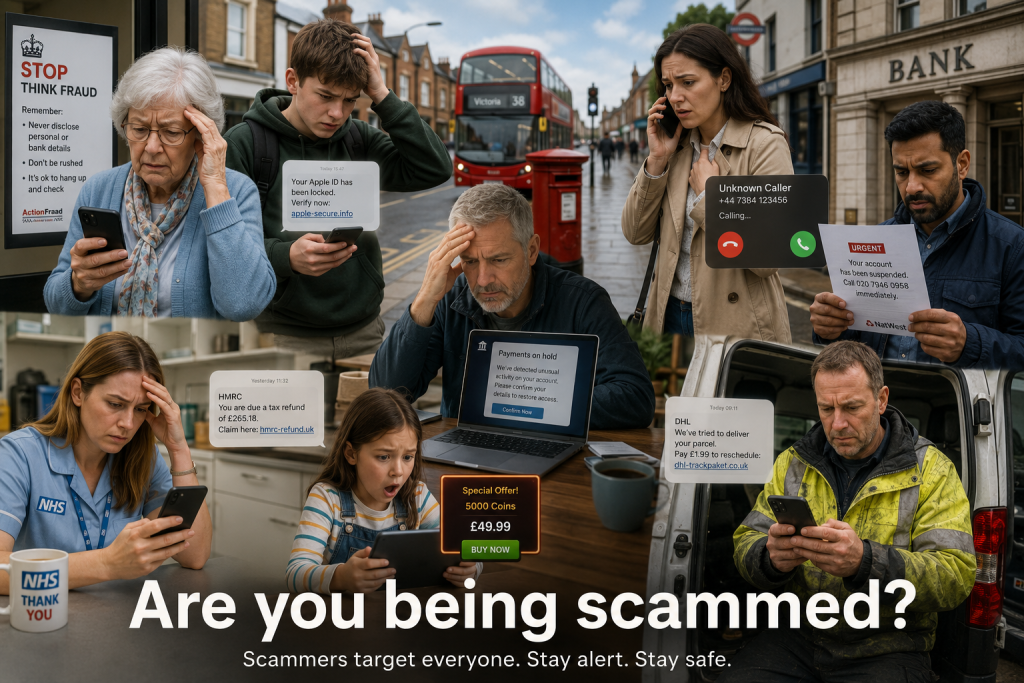
Are You Being Scammed? was created for one simple reason: scammers don’t just target individuals—they affect entire families.
If someone you care about is caught in a scam, you already know how difficult it can be to help. Many victims genuinely believe the scammer is telling the truth, even when the evidence seems obvious to everyone else. Friends and family often feel frustrated, powerless, and unsure what to do next.
That’s where we hope to help.
Our website is designed specifically for the people trying to support a loved one who may be the victim of a scam. We provide clear, easy-to-understand information about common scams, warning signs to look for, and practical ways to approach difficult conversations without causing arguments or pushing the victim further towards the scammer.
Our Mission
Our mission is to educate, support, and empower families and friends who are trying to protect someone from financial fraud and online deception.
We believe that knowledge is one of the most powerful tools against scammers. By understanding how scams work and why intelligent, caring people become victims, you can offer support with empathy rather than judgment.
Why Scam Victims Don’t Always Believe They’re Being Scammed
Modern scammers are highly skilled manipulators.
They use psychology, trust, urgency, fear, loneliness, and even love to convince victims that what they’re experiencing is genuine. In many cases, victims have spent weeks, months, or even years building a relationship with the scammer before money is ever requested.
Because of this emotional investment, simply saying “it’s a scam” rarely works.
Our resources explain why victims often defend the scammer and provide advice on how to have calm, supportive conversations that have a greater chance of helping.
Remember there is always a “END GAME” which 9 times out of ten is money!
Common Types of Scams
Scammers are constantly inventing new ways to steal money, but some of the most common scams include:
- Fake Car Insurance scams
- Romance scams
- Investment and cryptocurrency scams
- Fake bank or financial institution scams
- Loan scams
- Tech support scams
- Remote access scams
- HMRC and tax scams
- Pension scams
- Online shopping scams
- Marketplace scams
- Facebook Marketplace scams
- Auction website scams
- Employment and job offer scams
- Work-from-home scams
- Recruitment scams
- Lottery and prize scams
- Inheritance scams
- Advance fee fraud
- Email phishing scams
- SMS (smishing) scams
- Phone call (vishing) scams
- Identity theft
- Parcel delivery scams
- Utility company scams
- Charity scams
- Rental and property scams
- Holiday booking scams
- Fake invoice scams
- Business email compromise (BEC)
- QR code scams
- Social media impersonation scams
- Fake celebrity endorsement scams
- AI voice cloning scams
- Deepfake video scams
- Sextortion scams
- Fake online dating profiles
- Puppy and Pet scams
- Ticket scams
- Student scams
- Health and medical scams
- Subscription renewal scams
- Fake debt collection scams
New scams appear every day, and scammers continually adapt their techniques. Staying informed is one of the best ways to stay protected.
Our Goal
We aim to become a trusted resource where families, friends, carers, and professionals can find reliable information to:
- Recognise the warning signs of a scam.
- Understand how scammers manipulate victims.
- Learn how to speak with someone who may be in denial.
- Find practical steps to reduce financial losses.
- Know where to report scams and seek additional help.
- Stay informed about emerging scam techniques.
A Compassionate Approach
Anyone can become the victim of a scam.
Scammers target people of every age, profession, education level, and background. Being scammed is not a sign of being unintelligent—it is often the result of sophisticated psychological manipulation.
We encourage everyone to approach victims with patience, compassion, and understanding rather than blame or criticism.
Our Commitment
The information on this website is intended to educate and support. While we work hard to provide accurate and up-to-date guidance, scams evolve rapidly, and information should not be considered legal or financial advice.
If someone is in immediate financial danger or has already transferred money, contact your bank, report the fraud to the appropriate authorities, and seek professional advice as quickly as possible.
Together We Can Stop Scammers
Every conversation matters.
Every warning shared could prevent someone from losing their savings, their confidence, or years of their life to a scammer.
If this website helps even one family recognise the signs early and support someone they love, then we’ve achieved our purpose.
Thank you for visiting Are You Being Scammed? Together, we can help expose scams, educate others, and make it harder for fraudsters to succeed.